




Have you heard? digital audio players (aka DAPs), are coming back. In the past few years, dedicated music fans have been quietly resurrecting them. The reasons go deeper than Y2K aesthetics or nostalgic click wheels – the real value lies in their simplicity; they can play lots of music, but they only play music.
In today’s always-connected existence, streaming solved access, giving us infinite music at our fingertips, but it created a new problem in the process. “Discovery is essential, but it starts to feel like purgatory when you’re stuck in continuous discovery mode,” says Tom Vek, CEO and co-founder of Sleevenote.
There’s something missing. Not the sound quality. Not the convenience. Something else. Tom reflects, “there’s an extra layer of connection that has been tough to get right with digital music.”
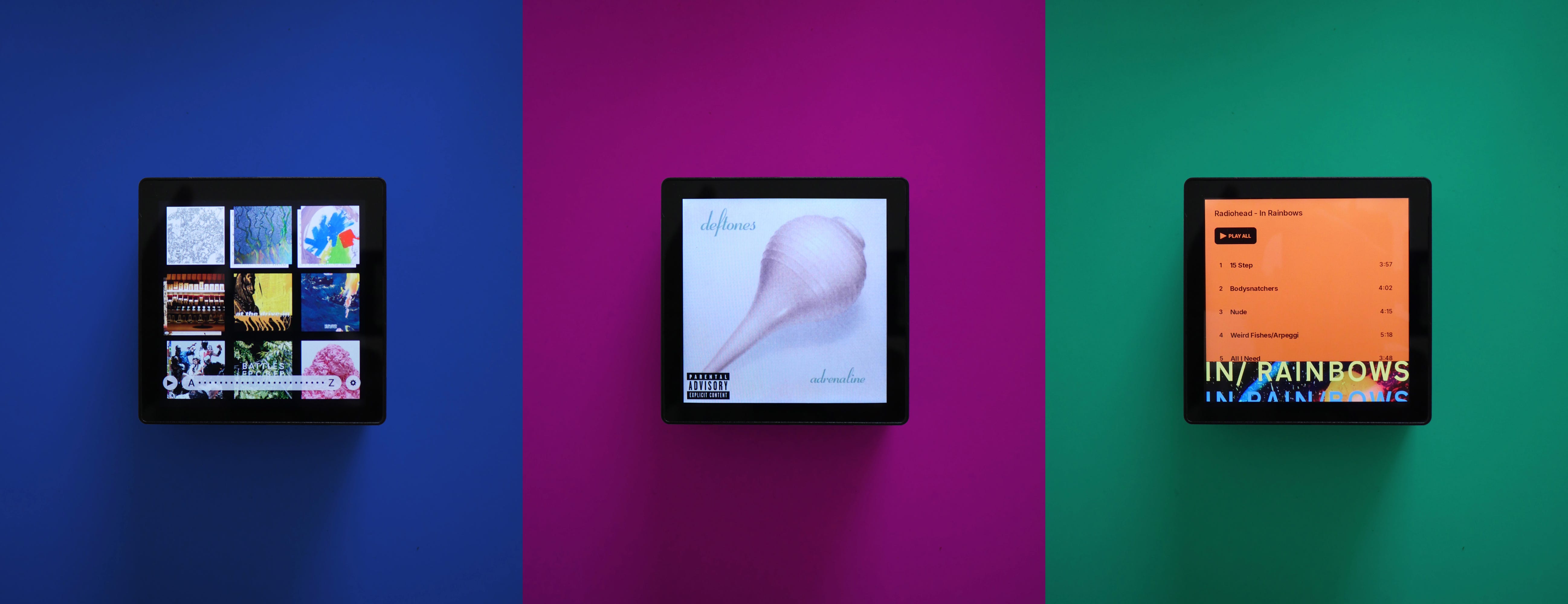
That’s what Sleevenote has set out to solve. Guided by Tom’s experience as a musician and designer, and co-founder/CTO Chris Hipgrave’s background as a music tech developer – they’ve created a new kind of music player centred on that missing layer. With its stripped-back UI and novel square format, it represents individual releases as much as full libraries and creates dedicated space for the music that matters most.
A medium that serves the art
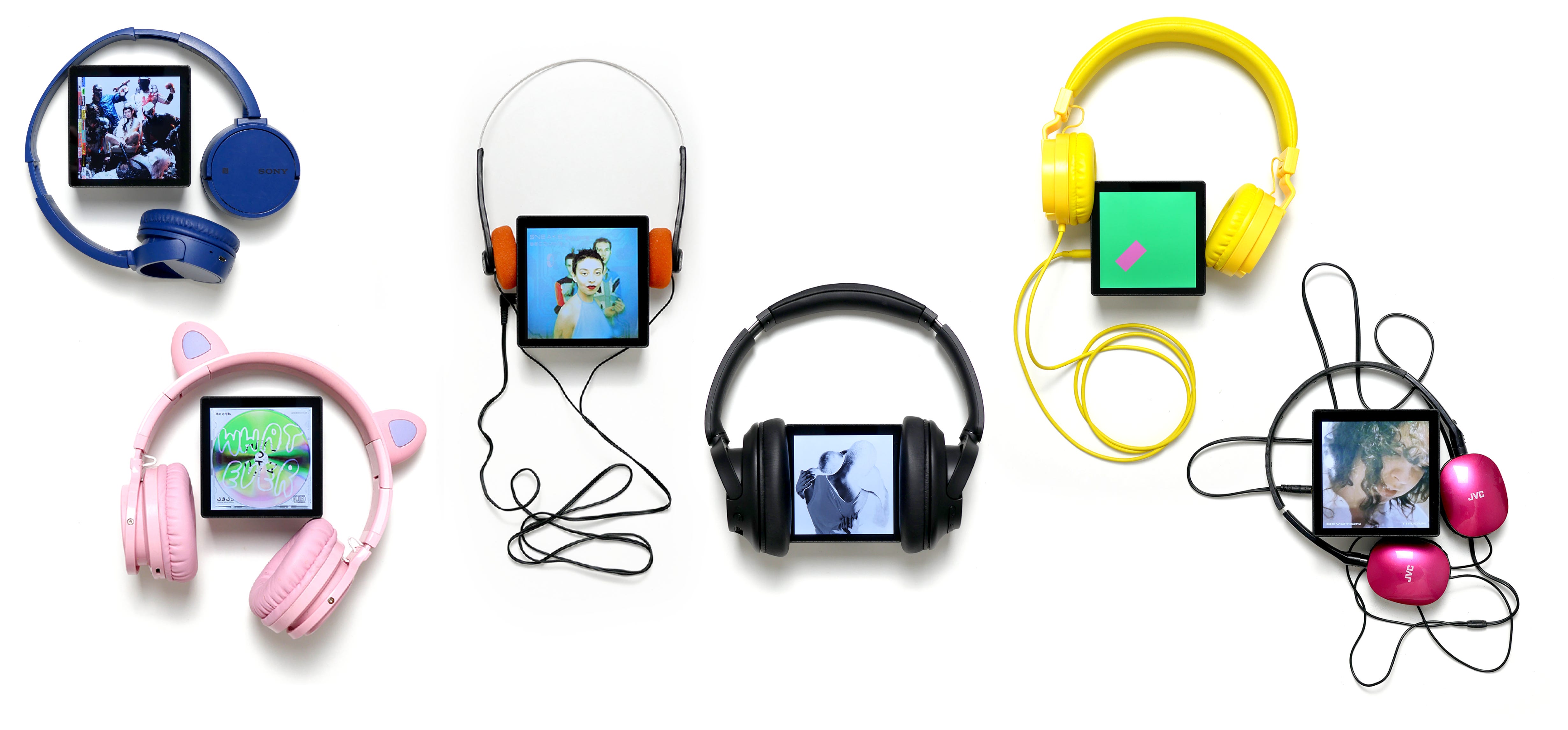
Let’s start with the palm-sized square screen, Sleevenote’s distinguishing physical feature. Tom and Chris explain that the vision for this was very simple – in the ceremony of music, a square screen is a fundamental. “Every pixel is dedicated to the canonical album cover shape,” says Tom. “It’s fit for purpose – a medium that serves the art.”
The next, and possibly most profound element of the Sleevenote ecosystem is the extra stuff. Via the Sleevenote web platform, artists can add the concept of “full sleeve art” to build a world around their releases, previously only available for CDs and vinyl. Users get to swipe through this full sleeve art as they listen. Tom says “Album art standing shoulder-to-shoulder with the music has always been the attraction of vinyl and CD, getting to look at and read more stuff, in each artist’s unique style”.
Sleevenote empowers artists to build a fuller world around their releases (via Sleevenote for Artists). They can upload complete sleeve art – lyric sheets, thank-yous, behind-the-scenes photos, whatever contextualises the album. It’s about giving musicians control over the full visual experience, the way vinyl inserts and CD booklets do, but in a digital format that travels with you.
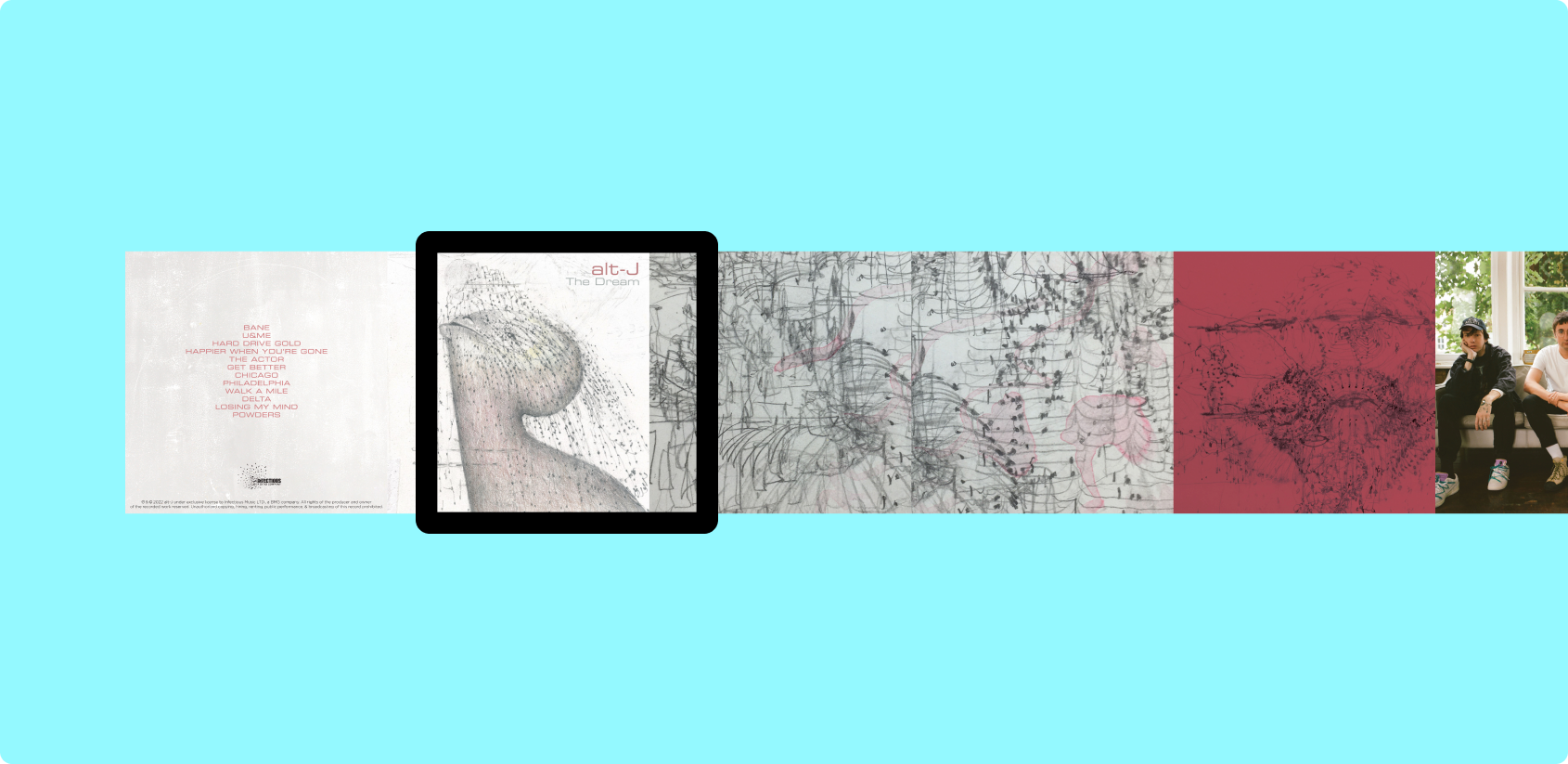
The idea of putting album art on display is nothing new, “Some people initially think Sleevenote is just a picture frame for an album you’re currently listening to, but it being the actual interaction object is what’s crucial” adds Tom. “It’s a hands-on experience; you’re interacting with albums in the language of album art.”
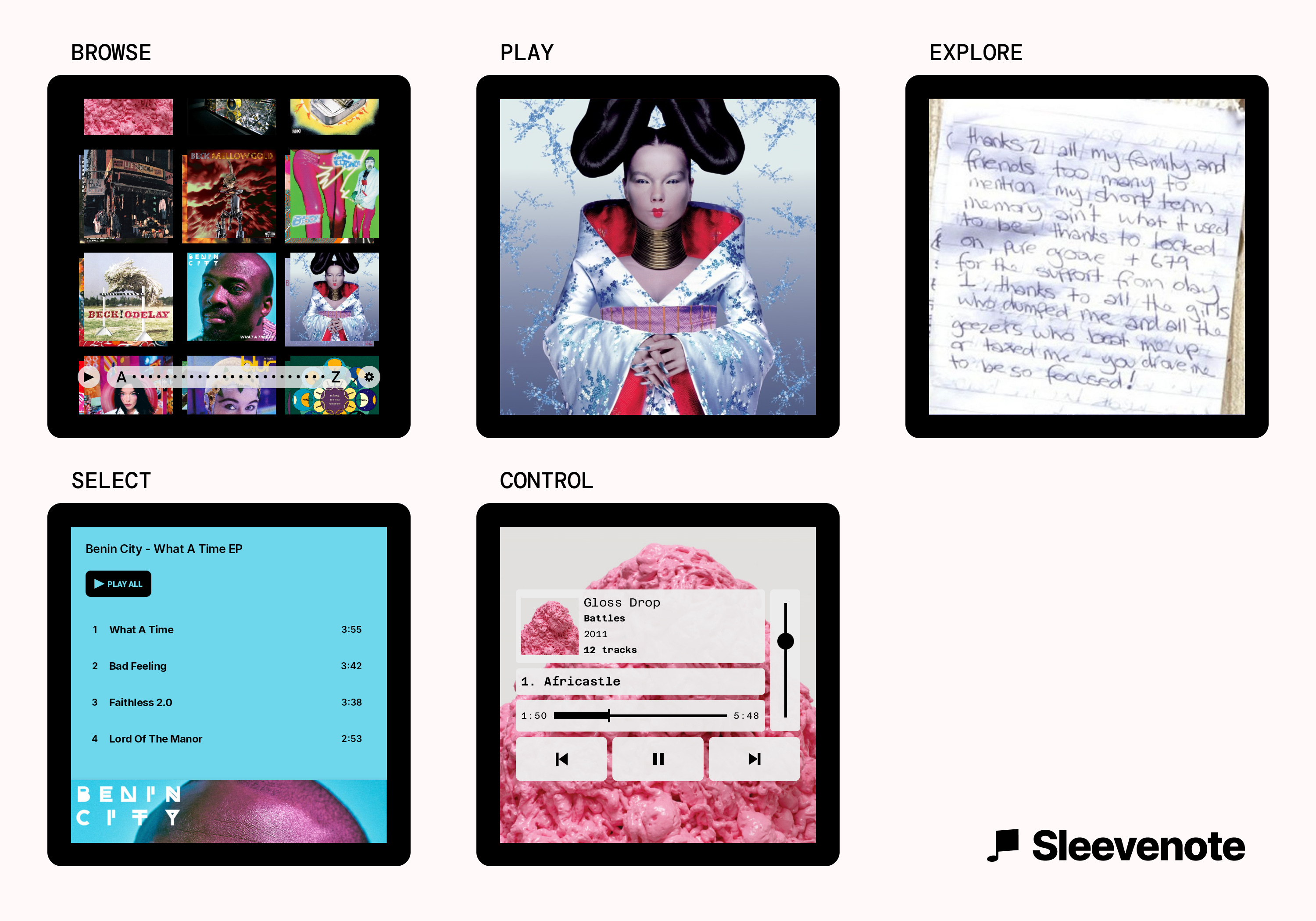
The team has designed a no-frills UI that prioritises this artist-curated visual experience. “The required usable elements for a music player are kept out of the way, for example the player controls are only shown when you tap the cover, or the tracklist is revealed when you swipe it down,” explains Chris. “We want the artists to dictate what you see as you’re listening.” The browsing experience itself is rewarding – flicking through your library by cover art reminds you of all the music that makes up your personal taste.
A device with a purpose
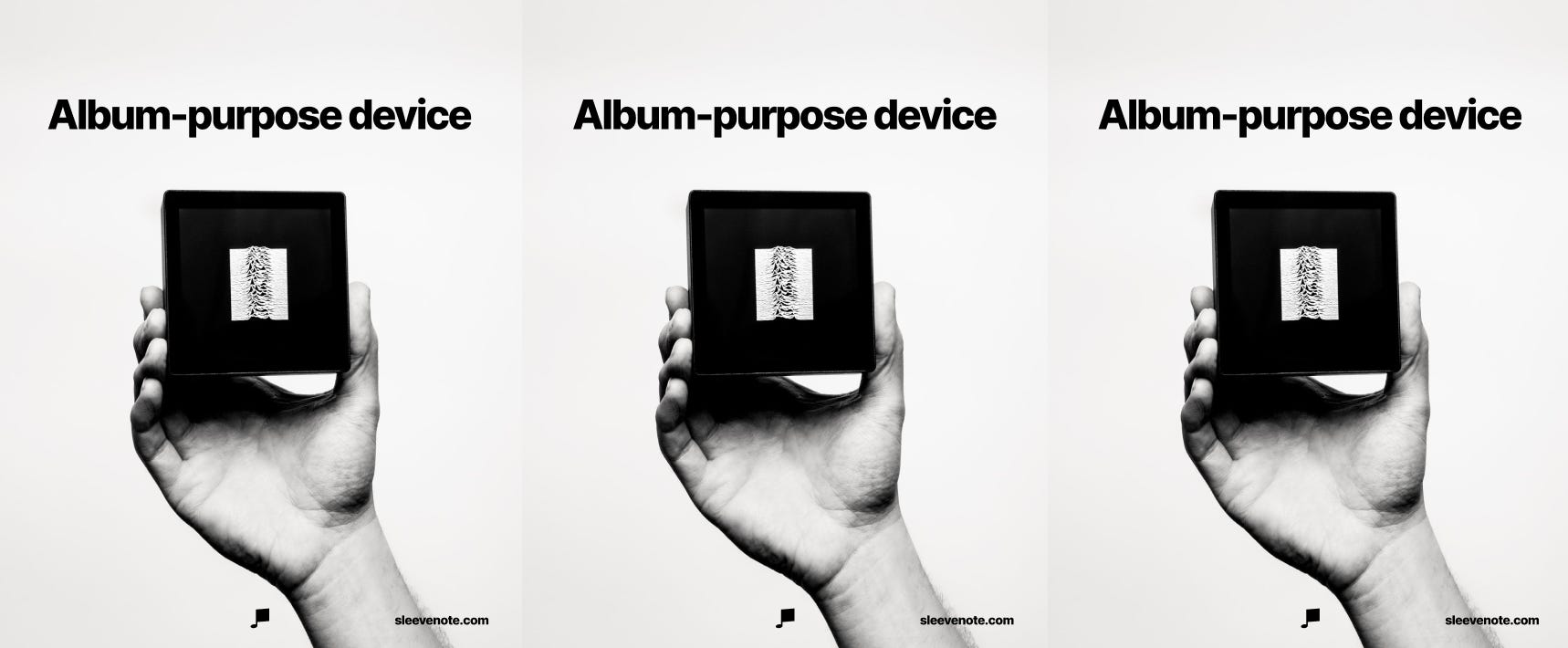
The fact that hyper-optimised, multi-tasking, highly addictive smartphones are giving us bad vibes is no secret. So this poses Sleevenote’s core question: why store our favourite music on devices that scramble our attention? “Our phones have become distraction machines,” says Tom. “They’re great for productivity on the go, but they represent such low level cultural commitment or identity - I don’t want the resentment for smartphones to have any spill into the art held hostage on them. Conversely, I believe that digital delivery can be a healthy and rich medium for music, and the music industry. So it feels like it needs amputation, or at least a companion piece of tech, to help us detox somewhat.”
This is what Chris has kept front of mind when simplifying the software – undivided attention. “So many quality DAPs are essentially a phone; they have everything,” he says. “Sleevenote is just a music player. You can’t put any games on it. There are no notifications, no social media. It’s a single-purpose device, but it’s also quality experience. The e-reader is a good comparison; it’s like a Kindle for music.”
Sleevenote isn’t just about creating distraction-free listening environments – Tom and Chris want to fundamentally change how people value digital music.
Tech that supports artists
There’s a common misconception that vinyl and merch are the best ways to support artists, but the co-founders argue digital purchasing is one of the most direct ways to support musicians. “Artists can lose money on selling physical goods,” Tom explains, having experienced it first hand. “Digital purchases have very low overheads and risk for artists. They already made the music, they shouldn’t have any more risk in selling it. If we can make people value digital music more, it‘s a huge win for music culture for multiple reasons, plus it’s typically the best value for the fan.”
What’s more there are numerous choices of digital music marketplaces out there, from Bandcamp to Bleep, Ampwall to Amazon Music, anything you want you can buy digitally from somewhere.
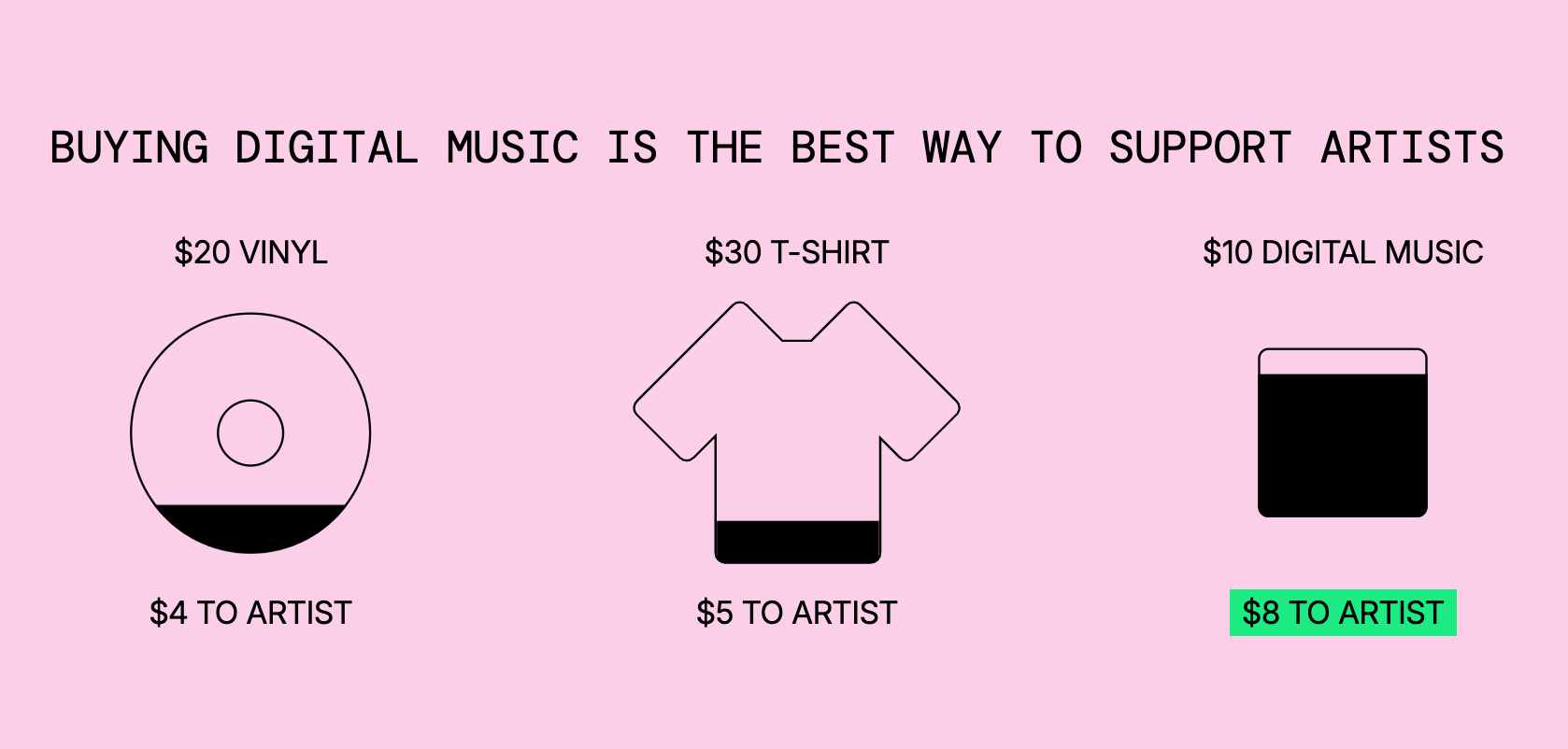
That’s why Sleevenote is for collecting. “The decision not to support streaming has become really important,” says Chris. “Providing a dedicated device for your purchased music puts us in a pro-artist camp, which we’re really proud of.” Because your music and artwork are downloaded locally, the team say a Sleevenote will work theoretically forever – no dependence on APIs or subscriptions. “We’re striving for the best reparability and upgradability for the hardware” Tom says, “but something that I like about building a music player is there’s much less chance of obsolescence than say a phone; no sensor upgrades or incompatible software updates. The requirements of a music player, even with full sleeve art, will be pretty future proof, will always be able to perform its basic function, think of Sleevenote like the beautiful digital camera for your music”.
Tom and Chris argue the behavioural shift required is simple. Discovery still happens through the usual channels – radio, streaming, word-of-mouth – but when you realise you’re listening to an album constantly, you buy it. “I’m now going back and buying the albums I’ve loved since using streaming, and digging out my collection from before that point” says Tom.
Own your music (culture)
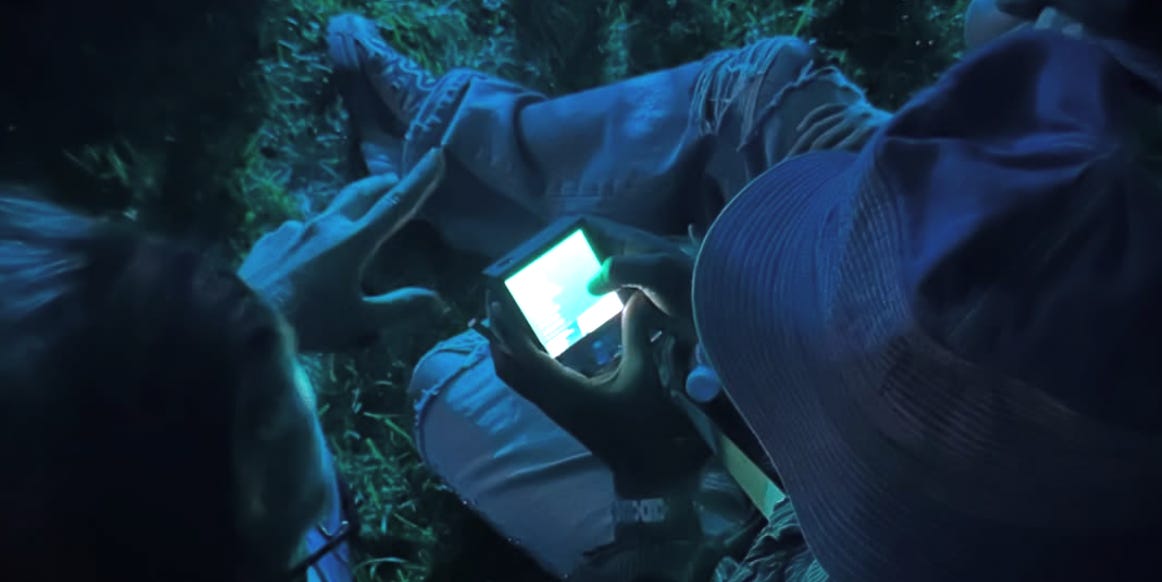
It can take time to build a digital library, but the duo believe that friction is part of the charm. “If you’re a music fan, the process of curating your music on a device is really satisfying,” Chris explains. “With dedicated music players like Sleevenote, you have a tangible library that you own.”
“With streaming services, there’s less of a point in having a collection because you can just access something anytime,” says Chris. “It used to be the case that you took pride in your collection. That’s something we’ve had taken away.” With Sleevenote, since you browse by cover art, albums lodge in your memory and your library becomes a curated reflection of who you are, not just what the algorithm served you. “It becomes part of your personality,” Tom adds. “I think it’s going to enable a healthier relationship with music.”
Be early on new things
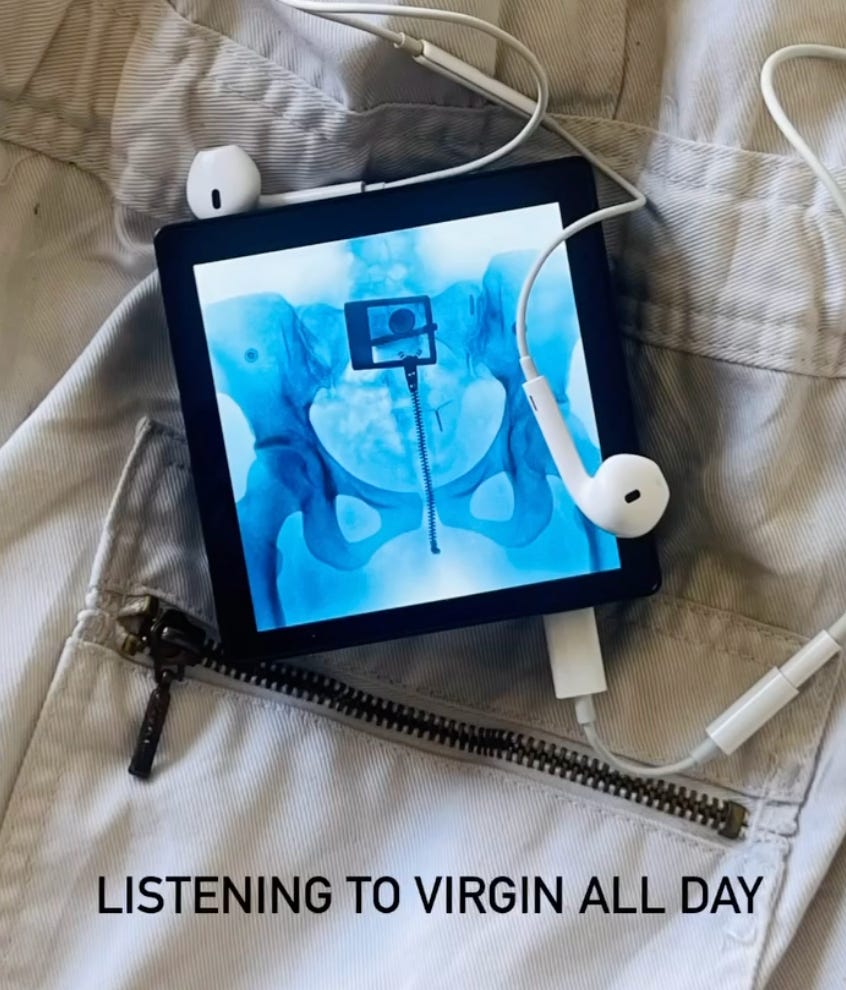
Tom and Chris acknowledge that Sleevenote isn’t for everyone, yet. They’re targeting music tech enthusiasts with a limited “Day One Edition” of 100 prototypes to gather feedback from passionate early adopters. They’re looking for appreciators of purposeful design, fans who want to actively support artists, and listeners tired of “discovery purgatory”. It is, Tom adds, “for those who believe albums aren’t just thumbnails – they deserve to be celebrated.”
Sleevenote is looking to empower music fans who are taking back control of their listening habits and are excited by active, considered ownership. In this way, Sleevenote isn’t replacing your streaming service, it’s restoring the layer of connection that it has eroded.
Thanks for reading.
Secure your Day One Edition here and subscribe to follow the journey on Substack below. Jump into the Sleevenote Discord to chat with Tom and Chris. sleevenote.com for more info.
Dan McCarthy is a freelance writer specialising in music and culture. With bylines in The Guardian, Dazed, Clash, The Quietus, and New Humanist, he explores how sound and society intersect – whether dissecting debates around phone-free club culture or reporting on the £1 ticket levy to support grassroots venues.